-
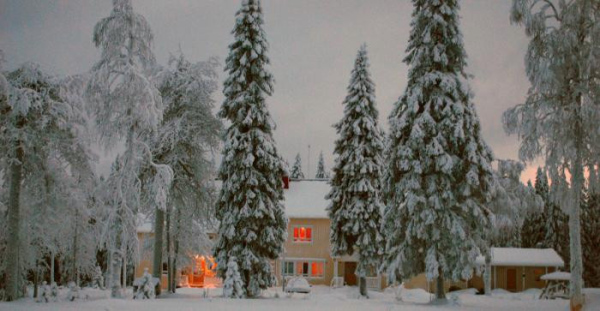
Mustarinda (FI)
-
Sympoietic Society (EU)
-
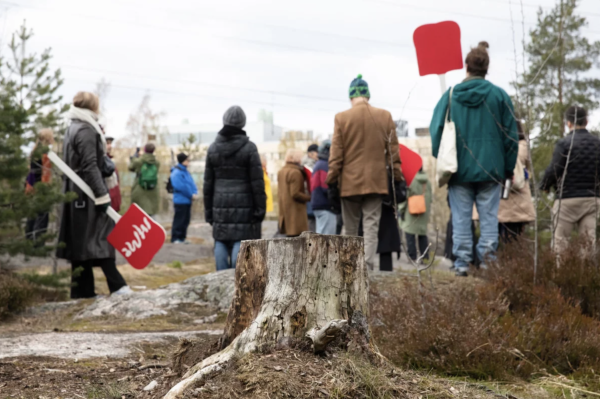
IHME Helsinki (FI)
-
BioArt Society (FI)
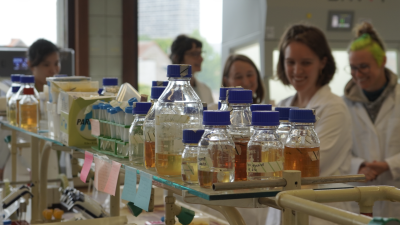
Bioart Society is a Helsinki-based association working at the intersection of art, science and society. Established in 2008 at the Kilpisjärvi Biological Station in Gilbbesjávri, the association has close to 200 members in Finland and other countries, and participates in global networks of art & science across biology, ecology and the life sciences. Bioart Society supports artistic and transdisciplinary work through workshops, residencies, long-term collaborative projects and public dialogue on how biosciences and biotechnology shape the social, political and ethical dimensions of life. Amongst other multi-year partnership projects, ongoing collaborations include Ars Bioarctica, an art & science residency programme with a focus on the sub-arctic environment with the Kilpisjärvi Biological Station, University of Helsinki, in Sápmi and the Tokyo Art & Science Research residency with the BioClub Tokyo and The Finnish Institute in Japan.
-
CAA Contemporary Art Archipelago (FI)
-
TENTHAUS (NO)
-
Laboratory for Aesthetics and Ecology (DK)
-
Norwegian Landscape Theatre (NO)
-
Oslofjord Triennale (NO)
-
Concerned Artists Norway (CAN/NO)
-
NORDTING (NO)
-
Public Art Agency Sweden (SE)
-
DACE - Dance Art Critical Ecology (SE)
-
INTERCULT (SE)
-
LAND 404 (SE)
-
MOSSUTSTÄLLNINGAR (SE)
-
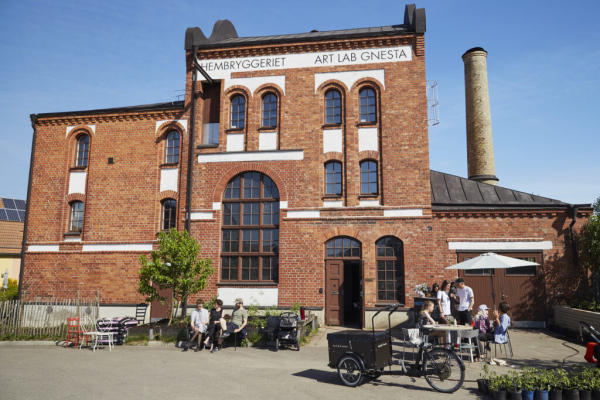
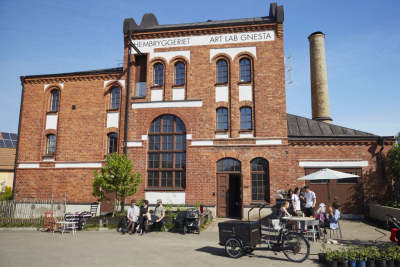
Art Lab Gnesta (SE)
-
PDAS (DK)
-
THE MIRROR INSTITUTION (SE)
-
Latvian Centre for Contemporary Art (LV)
The Latvian Centre for Contemporary Art (LCCA) is an NGO that has been supporting contemporary art events in Latvia since 2000, approaching social processes critically and creatively. The LCCA organises art events and exhibitions, conducts research and education projects, and produces publications addressing the latest developments in art and society while exploring their historical contexts. Cooperation with local and international artists and institutions is of special importance to the LCCA, and this is reflected in the nomadic nature of its activities. Exhibitions, educational programs, and other events take place in a variety of venues, including museums, schools, libraries, abandoned buildings, and urban spaces. Since 2009 LCCA organises the annual international contemporary art festival Survival Kit - one of the most significant contemporary art events in the Baltics.
-
SAVVAĻA (LV)
-
LAUKKU (LV/FI/FRA/DE/SE/DK/UK)
-
HOROS (LV)
-
ASTE (LV)
-
Nida Art Colony (LT)
-
KULTŪROS DIRBTUVĖ (LT)
-
Baltic Sea Cultural Centre (PL)
-
City Culture Institute (PL)
-
NATURE OF US (PL)
-
NAARCA
-
METROPOLIS (DK)
-
BYBI (DK)
-
BIRCA (DK)
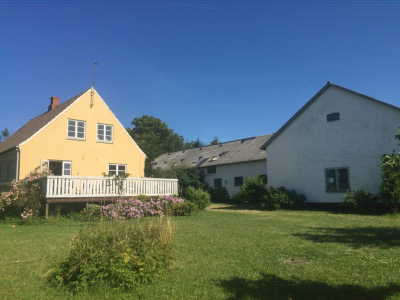
BIRCA is a laboratory for the new ecological performing arts, located in the middle of nature and fields on the island of Bornholm.
Here artists gets the opportunity to research and develop their ideas and projects, while we actively support investigative and co-creative approaches to the artistic processes through discussion and facilitation. This study is carried out in close dialogue with the surrounding community and with an eye to the local identity and nature on Bornholm. By embracing BIRCA’s natural surroundings, we want to create a vision for an ecological future that allows for connectedness, generosity and curiosity. We work in depth with creative processes, and we address the dynamic connection between the ecological systems of the environment, the social and the mental.
BIRCA focuses on how the performing arts can act in relation to the climate and biodiversity crisis we find ourselves in. We work to create and support a radical new performing arts that takes on an active and interactive role in relation to the ecological challenges of world society, and who, through strong artistic expressions and interventions, contribute to creating visions for a future where we can live in harmony with the nature we are part of. It is a performance art that is created with a limited negative impact on the world’s nature and with care for all species and life forms on the planet. The artists who apply for residencies at BIRCA are concerned with investigating the living conditions of the species and are focused on creating universal well-being. They do this through an organic, sensuous and sensorially present stage art, which must create a deeper resonance in those who encounter it.
BIRCA is created and led by the international producer and innovator Susanne Danig, who uses her extensive international experience to create frameworks and facilitate artistic processes at BIRCA.
-
Jordens Hus (DK)
-
Performance Art Bergen (NO)
-
Tre Tre Tre (NO)
-
Paviljong (NO)
-
THE POSTHUMANITIES HUB (SE)
The Posthumanities Hub, founded in 2008 by Cecilia Åsberg at Linköping University, is an evolving research centre where ecology and landscape are understood as entangled naturecultures. It operates as a “platform of platforms” and a “network of networks,” bridging arts, sciences and societal actors through collaborative, more-than-human inquiry.
From early outreach and interdisciplinary events to international programmes like the Seed Box, the Swedish environmental humanities initative, the Hub has been a key starting point for environmental humanities in Sweden, cultivating ecological thinking, multispecies relations, and experimental knowledge-making.
As an online and physical collaboratory, hosting scholars, artistis and grant projects, it enables research creation across borders, connecting scholars, landscapes, and communities in shared efforts to rethink life, environments and futures. -
Kintai Arts (LT)
Kintai Arts is a non-profit organisation and art residency, located in the rural environment on the coast of the Curonian Lagoon near the peninsula of Curonian Spit and Vente Cape. Its main mission is to actualize, develop and explore the unique tangible and intangible cultural and natural heritage of the Pomeranian region and to foster creativity, reflection and exchange of ideas in the spheres of contemporary art and contemporary music and interdisciplinary art practices. As an international art residency, Kintai Arts aims to develop interdisciplinary artistic practice and the exchange of knowledge and ideas in the fields of art and science, nature and ecology, historical and cultural in situ heritage. Curated residency programmes are developed around site-specific research rooted in the local landscape, encouraging critical engagement with the region’s fragile ecology and natural heritage. The landscape and ecology related topics act as a central protagonists across both visual and sound-based residency programmes.