-
-
Jordens Hus (DK)
-
Wanås Konst (SE)
-
Savvaļa (LV)
-
MOSSUTSTÄLLNINGAR (SE)
-
NART (Narva Art Residency) (EE)
-
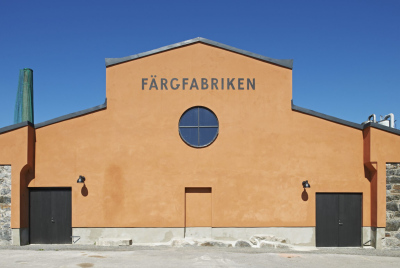
Färgfabriken (SE)
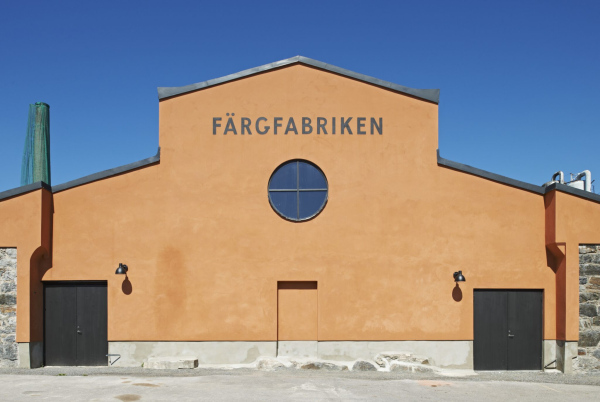
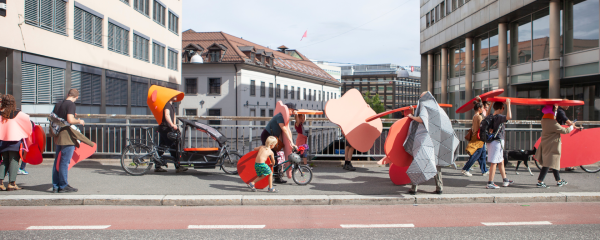
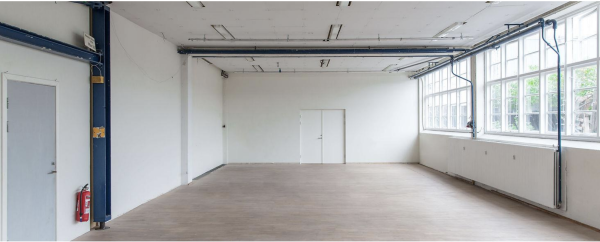
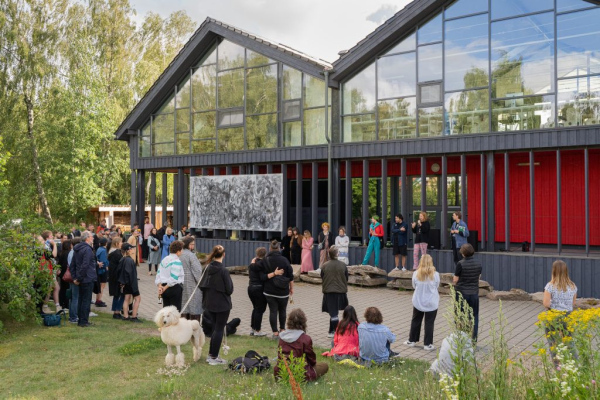
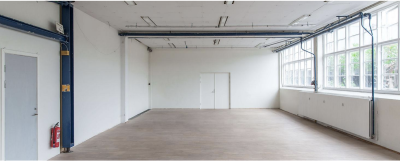
Färgfabriken is a non-profit foundation and centre for contemporary art and architecture, housed in a former industrial building in Stockholm. Since 1995, it has been a platform for artistic exploration and transdisciplinary collaboration through exhibitions, talks, workshops and other cultural activities. By working experimentally across disciplines and borders, it brings together diverse perspectives to generate new ideas, knowledge and artistic practices. Färgfabriken also initiates collaborative and satellite projects with artists, architects, institutions and researchers worldwide. In response to rapid societal change and pressing challenges, Färgfabriken launched an architecture triennial in 2024—a recurring forum of exhibitions, workshops and conversations focused on architecture and future living environments, fostering dialogue, exchange and collaboration around our current and future living environments.
-
RIXC Center for New Media Culture (LV)
-
Tenthaus (NO)
-
MAAJAAM (EE)
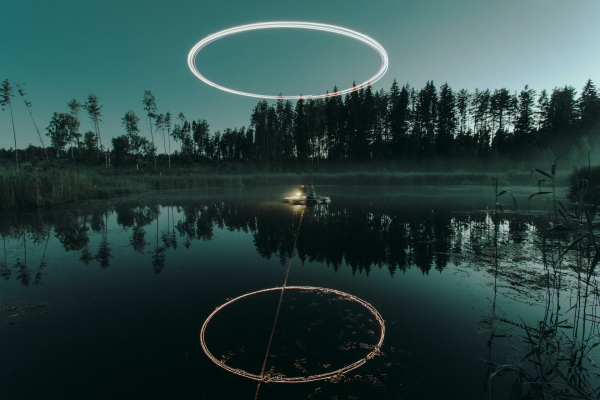
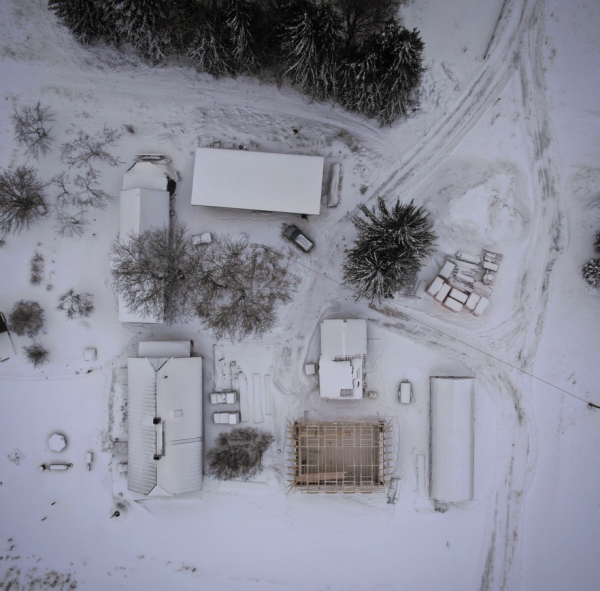
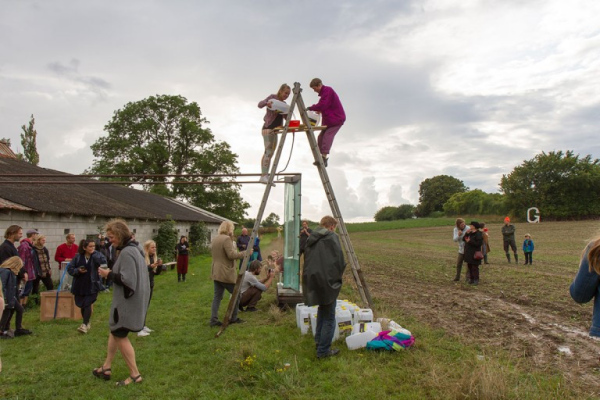
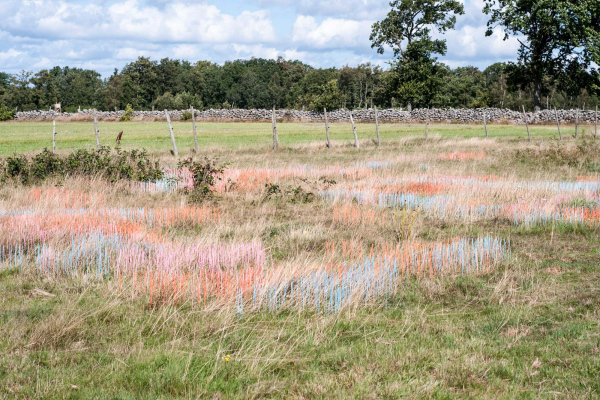
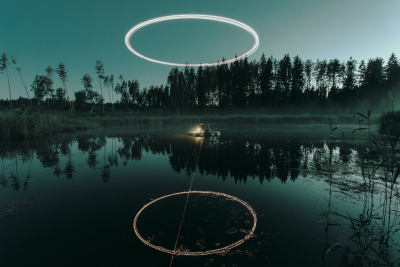
Maajaam is an art and technology farm located in the rural landscapes of Southern Estonia. Operating at the intersection of ecology, contemporary art, and emerging technologies, Maajaam serves as a site for experimentation, research, and critical reflection on the relationships between humans, technological systems, and the natural environment.
Through artist residencies, exhibitions, workshops, and site-specific projects, Maajaam explores how technologies shape our perception of landscapes and ecological processes. The organisation supports artistic practices that engage with environmental change, multispecies coexistence, local knowledge, and the cultural implications of technological development.
Rooted in a working rural landscape, Maajaam offers a unique context where artistic inquiry can unfold in direct dialogue with forests, fields, agricultural practices, and non-human actors. By bringing together artists, researchers, technologists, and local communities, Maajaam fosters new ways of imagining sustainable futures and cultivating meaningful connections between ecology, landscape, and contemporary culture.
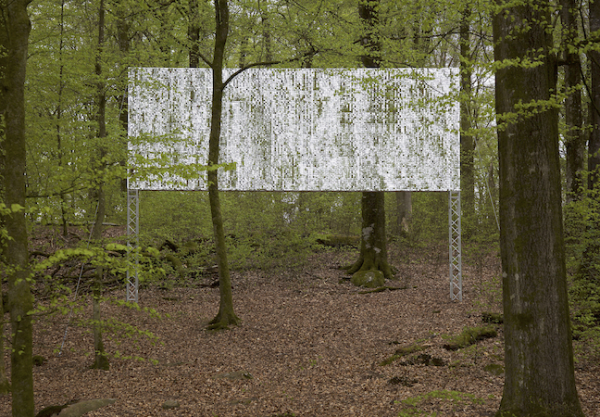
Maajaam produces the Wild Bits Outdoor Exhibition Triennial, an international exhibition of art, nature, and technology. -
Kaunas Artists' House (LT)
-
METROPOLIS (DK)
-
PDAS (SE)
-
ELEKTRON.ART (EE)
-
Art Lab Gnesta (SE)
-
Nida Art Colony of Vilnius Academy of Arts (LT)
Nida Art Colony of Vilnius Academy of Arts is a residency, education and contemporary art centre located on the Curonian Spit, a UNESCO World Heritage landscape between the Baltic Sea and the Curonian Lagoon. Its programme brings together artists, researchers, students and cultural practitioners working across visual arts, performance, sound, moving image, writing, socially engaged practices and artistic research. NAC’s activities are deeply shaped by its specific environment: dunes, forests, winds, waters, borders, seasonal rhythms, ecological vulnerability and layered local histories. Through residencies, exhibitions, workshops, public events and research-based projects, NAC supports artistic practices that engage with the landscape as a complex field of relations between (more-than-)humans, technology, geopolitics, and ecology.
-
LAND404 (SE)
-
Art Centre Silkeborg Bad (DK)
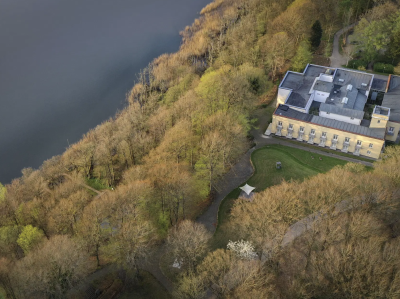
The Art Centre Silkeborg Bad is located right in the middle of nature - surrounded by large forests and close to one of the beautiful Silkeborg lakes. And nature plays a major role in our communication of art. In recent years, a large part of our exhibitions have had the relationship between humans and nature as a theme. The Art Centre Silkeborg Bad is also certified as a "Green Attraction". With the certificate, we now have the opportunity to work more systematically and structured with the implementation of sustainability in all departments of the Art Centre. We also know that as a respected art and cultural institution, we have a shared responsibility to inspire our guests about transformation and sustainability, so that more and more people make greener choices in their everyday lives.
-
Kin Museum of Contemporary Art (SE)
-
Daavi Performing Arts Center (NO)
-
NOBA Norwegian BioArt Arena (NO)
-
Sound Art Lab (DK)
-
Latvian Centre for Contemporary Art (LV)
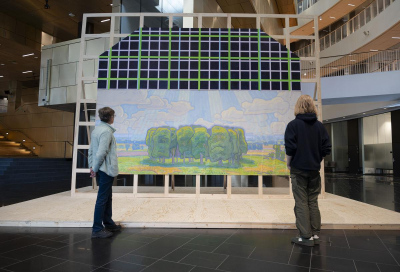
The Latvian Centre for Contemporary Art (LCCA) is an NGO that has been supporting contemporary art events in Latvia since 2000, approaching social processes critically and creatively. The LCCA organises art events and exhibitions, conducts research and education projects, and produces publications addressing the latest developments in art and society while exploring their historical contexts. Cooperation with local and international artists and institutions is of special importance to the LCCA, and this is reflected in the nomadic nature of its activities. Exhibitions, educational programs, and other events take place in a variety of venues, including museums, schools, libraries, abandoned buildings, and urban spaces. Since 2009 LCCA organises the annual international contemporary art festival Survival Kit - one of the most significant contemporary art events in the Baltics.
-
Kintai Arts (LT)
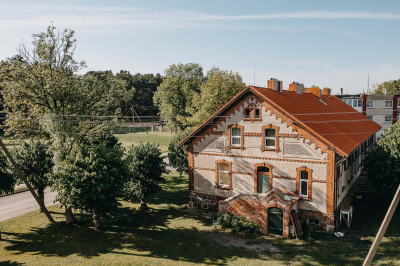
Kintai Arts is a non-profit organisation and art residency, located in the rural environment on the coast of the Curonian Lagoon near the peninsula of Curonian Spit and Vente Cape. Its main mission is to actualize, develop and explore the unique tangible and intangible cultural and natural heritage of the Pomeranian region and to foster creativity, reflection and exchange of ideas in the spheres of contemporary art and contemporary music and interdisciplinary art practices. As an international art residency, Kintai Arts aims to develop interdisciplinary artistic practice and the exchange of knowledge and ideas in the fields of art and science, nature and ecology, historical and cultural in situ heritage. Curated residency programmes are developed around site-specific research rooted in the local landscape, encouraging critical engagement with the region’s fragile ecology and natural heritage. The landscape and ecology related topics act as a central protagonists across both visual and sound-based residency programmes.